



Turn Standardised Terminal Data into Operational Insight

Connect Your Terminal Operating System, Equipment and IoT Data

CHESSCON uses TIC4.0 to connect equipment, TOS and IoT data, creating a reliable foundation for real-time visibility, retrospective analysis, digital twins and simulation.

Du bist hier:

TIC4.0 Integration

How CHESSCON Uses TIC4.0

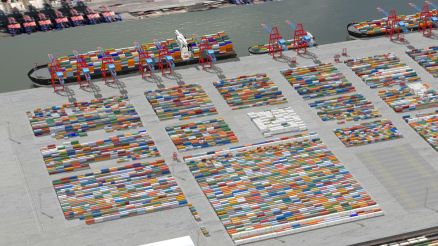
CHESSCON brings operational data from different sources together and turns it into a visual, actionable representation of the terminal. TIC4.0 provides the common language that helps equipment and systems describe relevant operational information consistently.

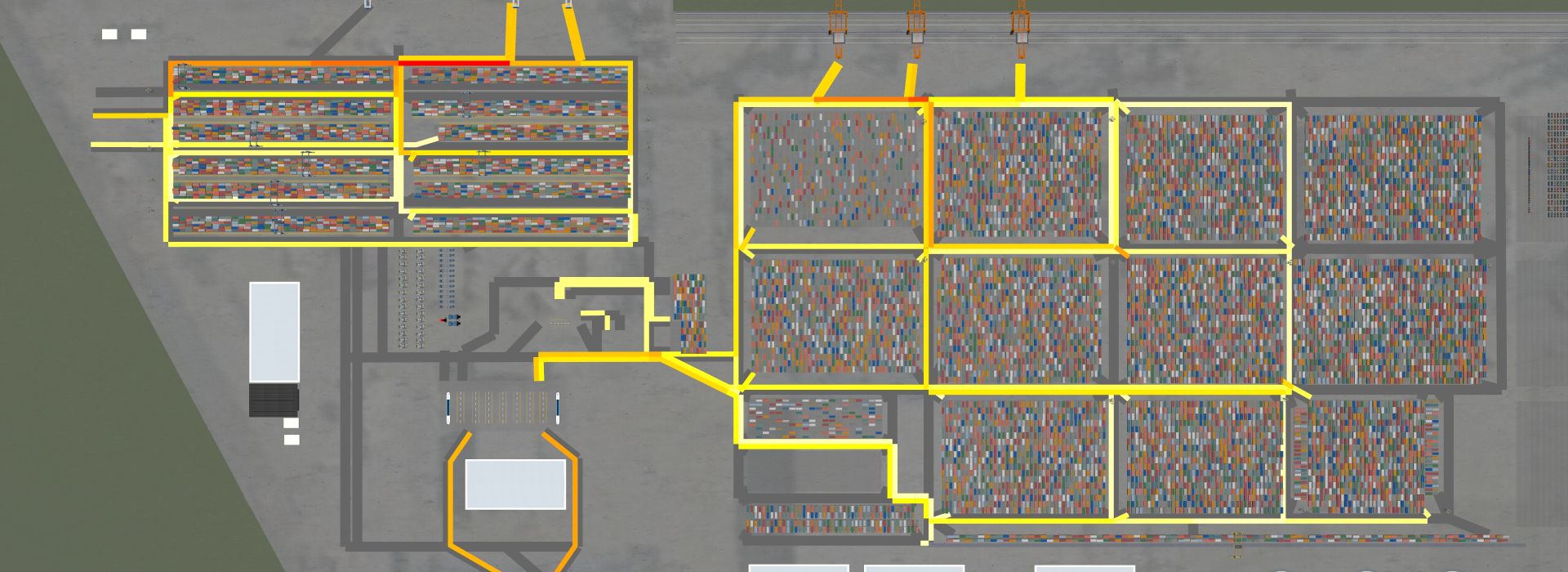
In the TIC4.0 architecture, IIoT-enabled terminal equipment provides standardised data to a central data platform. TOS data adds planning and operational context. CHESSCON uses the combined data to create a 3D representation, KPI overview and operational alerts of the terminal and support analysis of actual operations.

Based on that data CHESSCON also allows to review past operations and forecast future operation using simulation and AI. This enables terminals to analyze past operation and get a data driven view on future operation. The exact architecture depends on the terminal’s existing systems, interfaces, equipment and data maturity.

Which Terminal Data Feeds the Digital Twin

Data and Systems CHESSCON Can Connect

Public CHESSCON and materials describe use cases involving:

Data area Examples
Terminal systems
Container inventory, jobs, planning and status data from the TOS
Equipment movement
Position, speed, direction and destination
Equipment condition (CHE health)
Operating status, fuel or battery level, tyre pressure, oil or other sensor values
Container movement
Container number, pickup and place events, current position
Operational context
Yard layout, equipment type, shift and process information based on KPIs and thresholds
Connected sources
Databases, IoT platforms and other systems with available interfaces #wetalktic

Integration Gaps Slow Down Terminal Automation

The Terminal Integration Challenge

Terminal Operating Systems, equipment controls, sensors and third-party applications often describe the same operational reality in different ways. Proprietary interfaces, inconsistent definitions and project-specific data structures make integrations harder to build, maintain and scale.

Teams can spend significant time translating data instead of using it. Every new system, equipment type or analytical application may create another individual integration task.

A shared data language provides a more consistent starting point. CHESSCON can use this foundation to bring operational information together and make it visible in the context of the terminal.

Charging strategies

The Role of TIC4.0

TIC4.0 is an international industry initiative developing a common language for cargo-handling operations. Its work includes shared process semantics, operational definitions, data models and exchange formats designed to support interoperability between terminal equipment, software and platforms.

TIC4.0 does not replace the TOS, equipment controls or operational applications. It provides a standardised way for those systems to describe and exchange relevant data. CHESSCON uses this standardised information as an input for operational visualisation and digital-twin applications.

Live Visibility, Retrospective Analysis and Simulation in One Platform

From Terminal Data to Operational Value

Real-Time Terminal View

Visualise the terminal yard, container inventory and equipment status in a 3D environment. Combine information from the TOS, databases and IoT platforms in one shared operational view.

Plan vs. Actual

Use operational data to recognise where physical movements and system information diverge. Filters, colour coding and status views can make exceptions easier to identify.

Retrospective Analysis

Retrospective equipment-status analysis helps teams investigate events, movements and process behaviour after the fact.

Equipment & Live KPIs

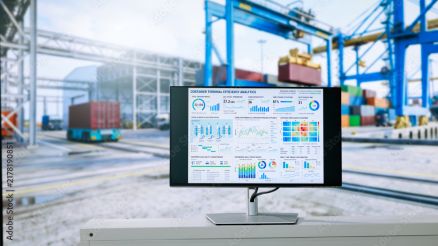
Combine position and status data with available equipment information such as fuel or battery levels, tyre pressure or other sensor values. Customisable dashboards make relevant operational information visible to different roles.

Simulation-Ready

When the required data quality and model detail are available, the digital twin can support scenario analysis and simulation in addition to live visibility.

What TIC4.0 Means for Port Automation

Why Standardised Data Matters

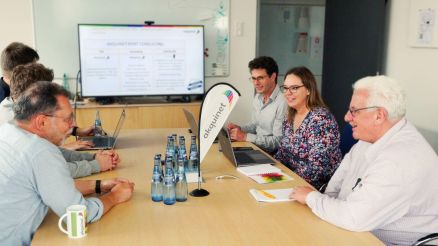
Ein Team von Fachleuten sitzt in einem Konferenzraum, diskutiert über Hafenlogistik und betrachtet eine Präsentation auf einem Bildschirm.

More Repeatable and Scalable Integration

Common definitions can reduce the effort required to integrate and interpret data from different equipment and software environments. This can make future integrations easier to extend and maintain.

Fewer Avoidable Dependencies

A shared industry language can reduce reliance on proprietary point-to-point mappings and support a more open system architecture. It does not eliminate vendor-specific integration work.

A More Consistent KPI Foundation

When systems use common operational definitions, data can be compared more reliably across equipment, shifts and processes. Each KPI still depends on the completeness, accuracy and context of the source data.

Better Data for Digital-Twin Use Cases

Standardised operational data provides a stronger foundation for real-time visualisation, retrospective analysis, simulation and future optimisation applications.

Straddle Carrier Data, TIC4.0 and a Live Digital Twin

TwinSim with EUROGATE

From October 2021 to September 2024, AKQUINET, EUROGATE and the University of Hamburg worked together on the publicly funded TwinSim research project. The project connected IIoT-equipped Straddle Carriers through TIC4.0-based data exchange with a cloud data platform and CHESSCON Live View.

Under real terminal conditions, the partners used the resulting digital twin to visualise current and historical operations and explore forward-looking applications including simulation, AI-supported job assignment and predictive maintenance.

The official project summary reports measurable efficiency improvements but does not publish the underlying figures.

What an Integration Requires

Start with the Data You Already Have

Getting started with CHESSCON does not require a fully connected terminal or an extensive IoT integration. Existing TOS and operational data can already provide the basis for creating a digital representation of the terminal and running initial simulations.

The starting point is a clearly defined operational question, access to the relevant data and a basic representation of the terminal layout and processes.

Depending on the scope, this may include:

  • relevant TOS and operational data;
  • terminal layout and process information for the simulation model;
  • additional equipment, sensor or IoT data where required;
  • mapping data to TIC4.0 definitions and connecting it through a data platform or data lake where applicable;
  • agreed requirements for data quality, update frequency, hosting, security and operations.

Additional data sources can then be integrated step by step to increase the level of detail and extend the range of use cases.

This approach enables terminal operators to begin with a manageable data scope, test operational scenarios with CHESSCON and expand the digital twin as further data and use cases become relevant.

Ihre Ansprechpartner

AKQUINET Ansprechpartner - Oliver Jelsch

Oliver Jelsch

Vertriebsleiter

Beratung Hafenlogistik

AKQUINET Ansprechpartner - Lawrence Henesey

Dr. Lawrence Henesey

Vertriebsleiter

Beratung Hafenlogistik

Ganz einfach zu erreichen

Wir freuen uns auf Ihren Kontakt!

Anrede*
Bitte treffen Sie eine Auswahl.
Bitte füllen Sie dieses Feld aus.

With clicking the send button I confirm that I have read the data privacy policy and agree that my data will be collected and stored electronically to answer my request.

Bitte klicken Sie dieses Kästchen an, wenn Sie fortfahren möchten.

FAQ - Questions and Answers About TIC4.0 and CHESSCON

What Does CHESSCON Do with TIC4.0 Data?

CHESSCON uses standardised operational information from connected equipment and systems as an input for real-time visualisation, status monitoring, retrospective analysis and, where applicable, digital-twin and simulation use cases.

Does TIC4.0 Replace the Terminal Operating System?

No. TIC 4.0 provides common definitions and exchange structures for operational data. The TOS remains responsible for its own planning, control and operational functions.

Can CHESSCON Connect to an Existing TOS?

CHESSCON can use data from a TOS, databases and IoT platforms. The exact connection depends on the interfaces, data access and quality available in the terminal environment.

Does a Terminal Need to Be Fully Automated?

No. A first use case can focus on selected equipment, data sources or operational processes. The scope should be based on a clear operational question and the available data.